
Table of Contents
ToggleMindfulness practices trends 2026 are shaping up to transform how people approach mental wellness. The industry continues to grow, with the global mindfulness meditation market projected to reach $9 billion by 2027. This growth reflects a shift in how individuals, workplaces, and healthcare systems view mental health support.
Several key developments stand out for the coming year. Artificial intelligence is changing meditation apps. Wearable devices now track stress in real time. Companies are investing more in employee wellness programs. And nature-based approaches are gaining scientific backing.
This article breaks down the five major mindfulness practices trends 2026 will bring. Whether someone is new to meditation or has practiced for years, these shifts will affect how they access and experience mindfulness tools.
Key Takeaways
- Mindfulness practices trends 2026 are driven by AI-powered apps that personalize meditation sessions based on user data, sleep patterns, and stress indicators.
- Over 50% of Fortune 500 companies now offer workplace mindfulness programs, reducing employee burnout by up to 30%.
- Wearable devices like smartwatches and EEG headbands provide real-time feedback on heart rate variability and brain activity during meditation.
- Nature-based mindfulness approaches, including forest bathing, deliver stronger stress reduction than indoor practice alone according to recent research.
- Healthcare providers are increasingly prescribing mindfulness as a clinical tool, with growing insurance coverage for mindfulness-based interventions.
- Mindfulness practices trends 2026 reflect a convergence of wellness and healthcare, with personalized programs targeting conditions like depression, anxiety, and chronic pain.
AI-Powered Mindfulness Tools and Apps
Artificial intelligence is reshaping mindfulness practices trends 2026 in significant ways. Apps like Calm and Headspace have already started using AI to customize meditation sessions. By next year, this technology will become far more sophisticated.
AI-powered tools analyze user data to create personalized meditation experiences. They track sleep patterns, stress indicators, and session history. Then they adjust content recommendations based on what works best for each person.
Voice recognition technology plays a growing role. Some apps now detect emotional states through voice patterns and suggest specific practices. A user who sounds anxious might receive a breathing exercise. Someone who seems tired could get an energizing body scan.
Chatbot-style meditation guides are also emerging. These AI coaches offer real-time support and answer questions about practice techniques. They provide feedback that feels more interactive than pre-recorded sessions.
The data shows strong adoption rates. A 2024 survey found that 68% of meditation app users preferred AI-customized content over standard programs. This preference drives continued investment in smarter mindfulness technology.
Privacy remains a concern worth watching. Users share sensitive health information with these platforms. Leading apps are responding with stronger encryption and clearer data policies.
Workplace Mindfulness Programs Expand
Corporate wellness is embracing mindfulness practices trends 2026 at an accelerated pace. More than 50% of Fortune 500 companies now offer some form of meditation or mindfulness training. That number is expected to rise significantly.
The business case is clear. Studies show that workplace mindfulness programs reduce employee burnout by up to 30%. They also improve focus and productivity. Companies see returns through lower healthcare costs and reduced turnover.
Program formats are evolving. Short micro-meditation breaks during meetings are becoming standard. Some organizations schedule “mindful minutes” at the start of calls. Others provide dedicated quiet rooms for practice.
Remote and hybrid work has changed delivery methods. Virtual mindfulness sessions now reach distributed teams. On-demand video libraries let employees practice on their own schedules. Apps with corporate licenses give workers access to premium content.
Leadership training increasingly includes mindfulness components. Executives learn techniques for emotional regulation and present-moment awareness. These skills help them make clearer decisions under pressure.
The healthcare and tech sectors lead adoption. But manufacturing, finance, and education are catching up. Small and mid-sized businesses are finding affordable options through group subscriptions and community partnerships.
Employee demand drives much of this growth. Younger workers especially prioritize mental health support when choosing employers. Companies that offer strong mindfulness programs gain a recruiting advantage.
Integration of Wearable Technology With Meditation
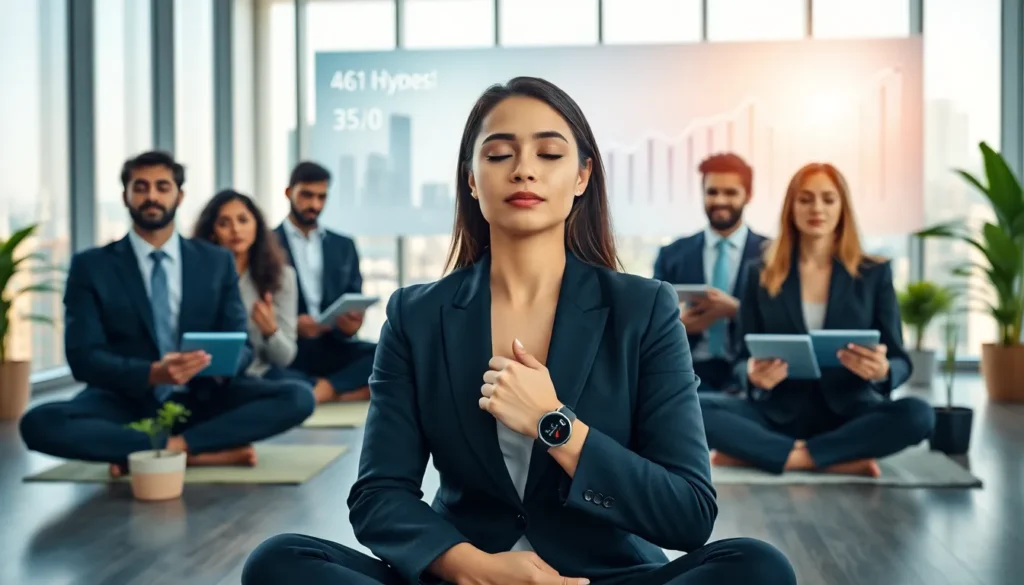
Wearable devices are becoming central to mindfulness practices trends 2026. Smartwatches, fitness bands, and specialized meditation headbands now track physiological data during practice. This feedback loop changes how people approach their sessions.
Heart rate variability (HRV) monitoring is a key feature. HRV measures the variation in time between heartbeats. Higher variability generally indicates better stress resilience. Wearables show users how meditation affects their HRV in real time.
Breathing sensors guide practice with visual or haptic feedback. A gentle vibration might signal when to inhale or exhale. Some devices detect breath depth and pace, then adjust guidance accordingly.
EEG headbands measure brain activity during meditation. Brands like Muse provide audio cues based on mental states. When the mind wanders, users hear environmental sounds that shift. When focus deepens, the sounds calm.
Sleep tracking connects to mindfulness data. Users can see correlations between their meditation habits and sleep quality. This information motivates consistent practice.
The accuracy of consumer wearables continues to improve. While they don’t match clinical-grade equipment, they provide useful approximations for everyday practitioners. Research studies increasingly use these devices for data collection.
Integration between wearables and meditation apps creates seamless experiences. A smartwatch might detect rising stress levels mid-afternoon and suggest a brief breathing exercise. This proactive approach helps people intervene before anxiety builds.
Nature-Based and Eco-Mindfulness Approaches
Environmental awareness is influencing mindfulness practices trends 2026 in meaningful ways. Eco-mindfulness combines traditional meditation with connection to the natural world. This approach addresses both personal wellness and ecological concern.
Forest bathing, or shinrin-yoku, continues gaining popularity. This Japanese practice involves slow, mindful walks through wooded areas. Research confirms it lowers cortisol levels and blood pressure. Urban areas are creating forest bathing trails in parks and green spaces.
Outdoor meditation retreats are growing faster than indoor options. Centers in natural settings report waitlists extending months ahead. Participants seek digital detox alongside mindfulness training.
Climate anxiety drives some of this interest. Young people especially report eco-distress affecting their mental health. Nature-based mindfulness offers tools for processing these emotions while building environmental connection.
Guided practices now include ecological themes. Meditations focus on interconnection with other species. Visualization exercises encourage sensing oneself as part of larger ecosystems.
Urban applications bring nature indoors. Biophilic design in meditation spaces uses plants, natural materials, and nature sounds. Virtual reality experiences simulate outdoor environments for those without easy access.
Scientific validation supports these approaches. A 2024 meta-analysis found that nature-based mindfulness produced stronger stress reduction than indoor practice alone. The combination of attention training and natural environments appears to amplify benefits.
Personalized Mindfulness for Mental Health Support
Mental health integration represents one of the most important mindfulness practices trends 2026 will advance. Healthcare providers are increasingly prescribing mindfulness as part of treatment plans. This shift moves meditation from wellness extra to clinical tool.
Condition-specific programs are expanding. Mindfulness-Based Cognitive Therapy (MBCT) for depression has strong research backing. Similar targeted approaches now exist for anxiety disorders, chronic pain, PTSD, and addiction recovery.
Therapists are incorporating mindfulness into sessions. They teach clients techniques to use between appointments. This extends therapeutic support and builds self-regulation skills.
Insurance coverage is growing. Some plans now reimburse for mindfulness-based interventions when prescribed by providers. This makes access more equitable across income levels.
Personalization goes beyond diagnosis. Cultural adaptations make mindfulness relevant to diverse communities. Programs address specific life stages, from prenatal mindfulness to practices for aging populations.
Digital therapeutics platforms deliver clinical-grade mindfulness programs. These FDA-cleared apps provide structured interventions that meet medical standards. They include progress tracking and often connect to healthcare providers.
Peer support communities add a social dimension. People with similar conditions practice together online. They share experiences and encourage consistency. This group element improves outcomes for many participants.
The boundary between wellness and healthcare continues to blur. Mindfulness practices trends 2026 reflect this convergence, with clinical research and consumer technology informing each other.


